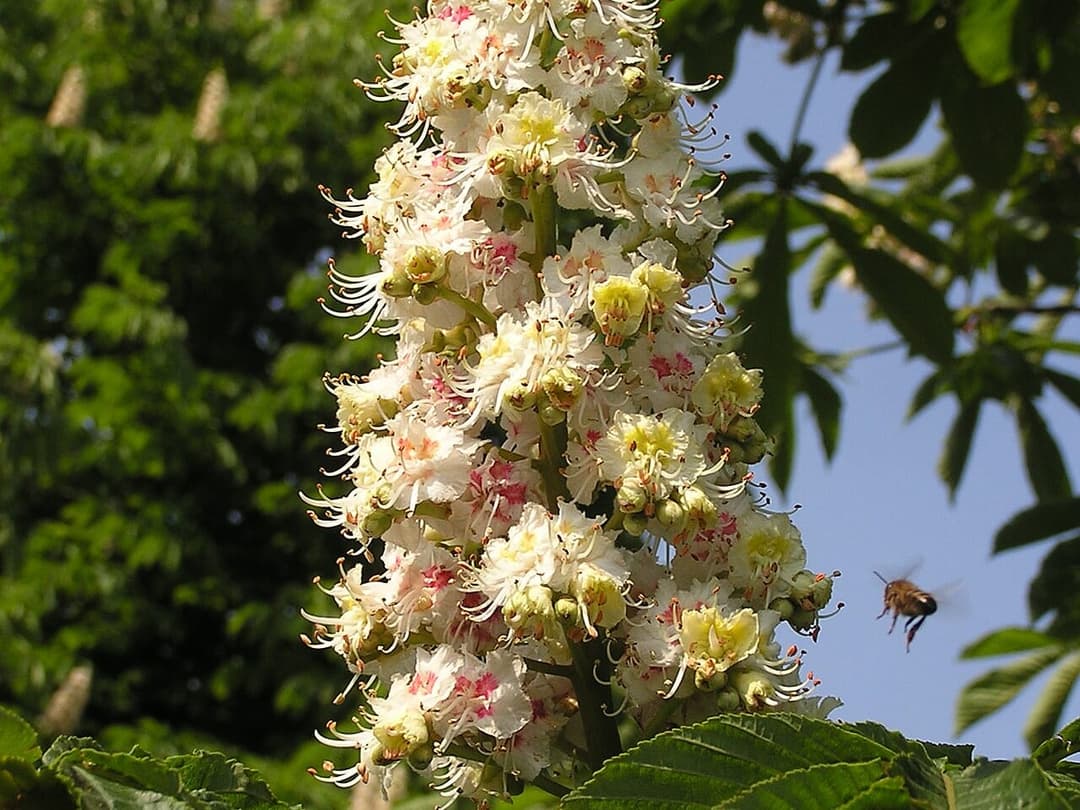
White Chestnut
No. 35Thoughts going round and round that you cannot switch off
Not fully here
Bach flower remedies are a set of 38 gentle preparations, each one made for a particular state of mind rather than a symptom. This is a plain guide to all of them, without the vague language the subject usually attracts.

Every remedy sits in one of seven groups. Pick the one that sounds closest and you have narrowed thirty-eight down to a handful.
For the whole range of fear, from a named worry you can point to, to dread that arrives without a reason.
For when you cannot decide, cannot commit, or cannot see the point in trying again.
For when your attention is somewhere other than the present, whether that is the past, a daydream, or the same thought on a loop.
For the different ways people end up apart from others, including the ones who talk the most.
For when other people's moods, opinions, or demands take up more room in you than your own.
The largest group, covering low confidence, guilt, exhaustion, shock, bitterness, and the feeling of being unclean.
For strong personalities whose care for other people tips into control, criticism, or pressure.
A reasonable place to start if you are new to this.
Thoughts going round and round that you cannot switch off
Not fully here
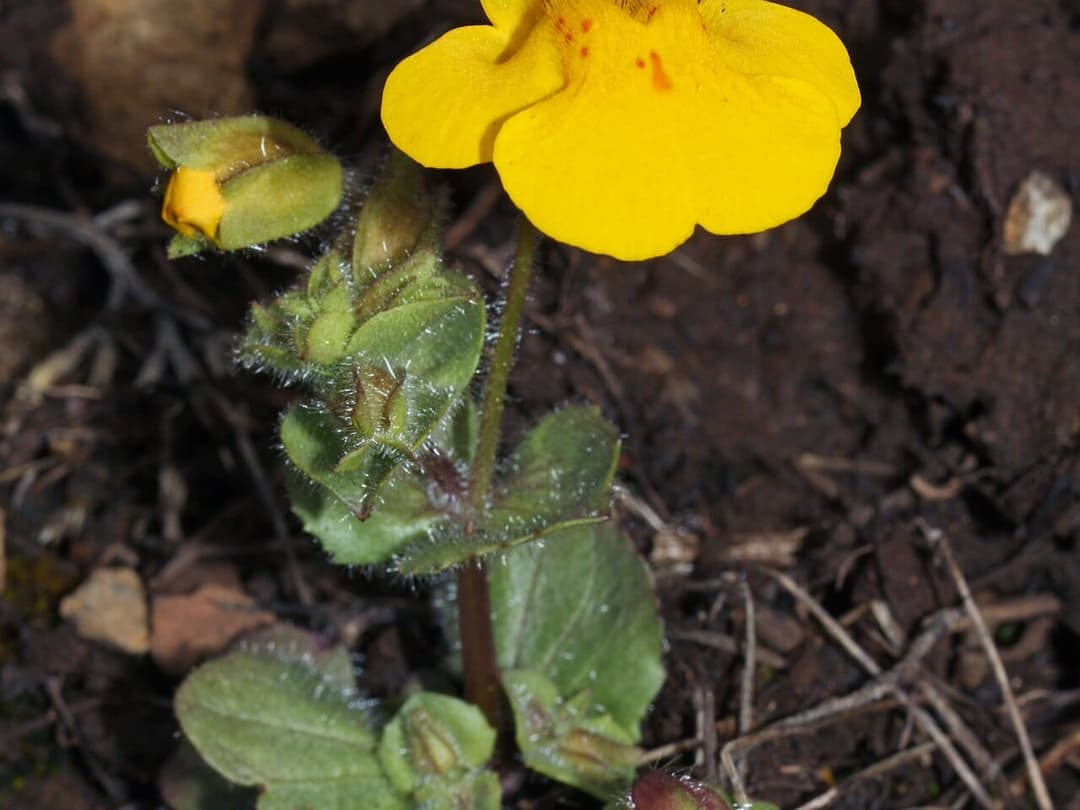
Fear of something you can name, plus the shyness that often comes with it
Fear
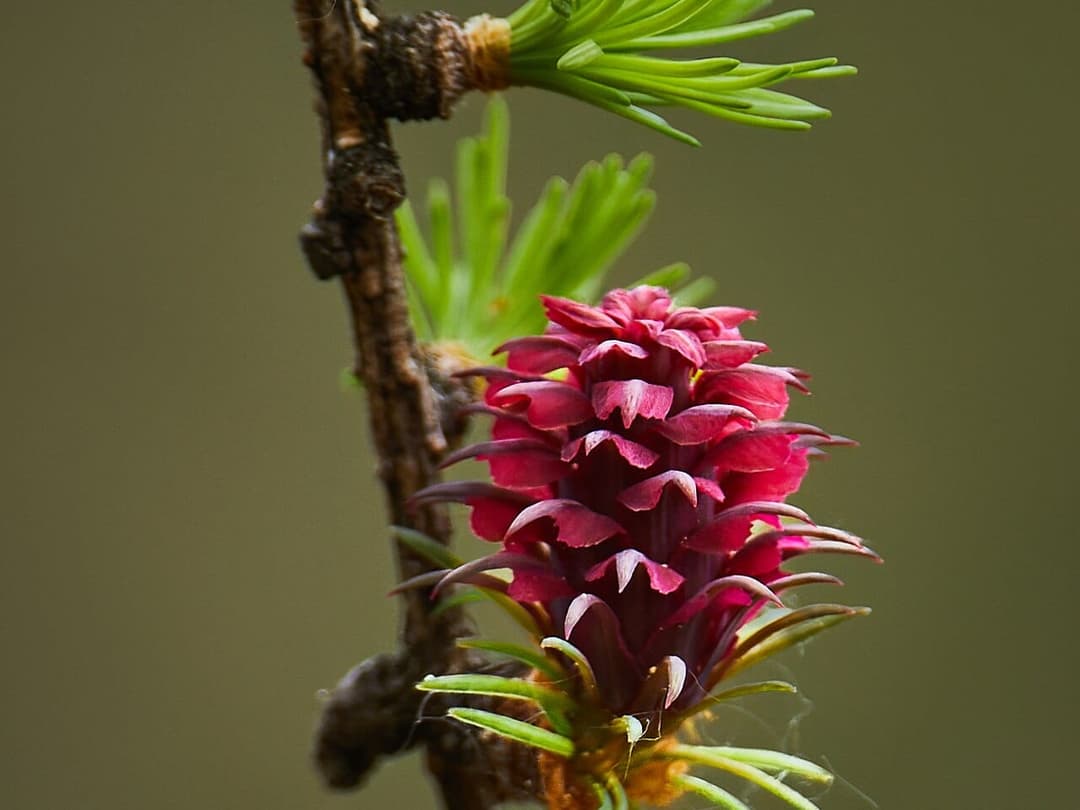
Expecting to fail, so not trying in the first place
Despondency
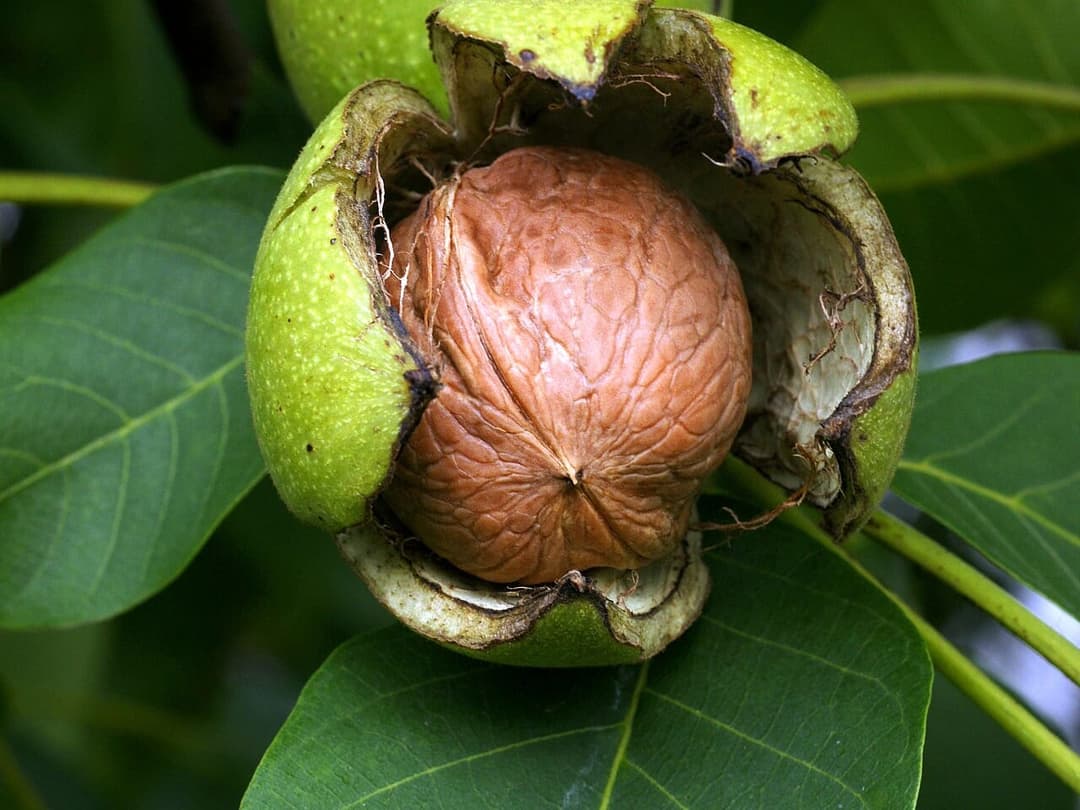
Protection during change, and against other people's opinions of your choices
Oversensitive

Complete exhaustion after a long stretch of real effort
Not fully here
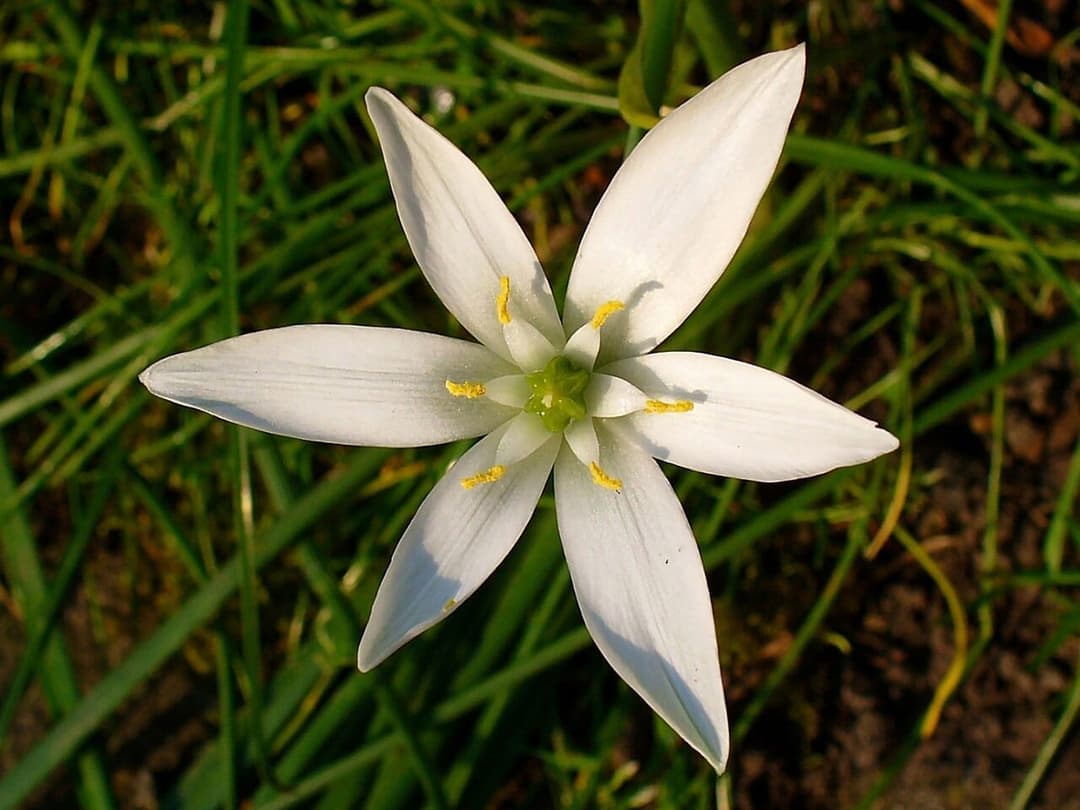
Shock and grief, whether it happened this morning or years ago
Despondency
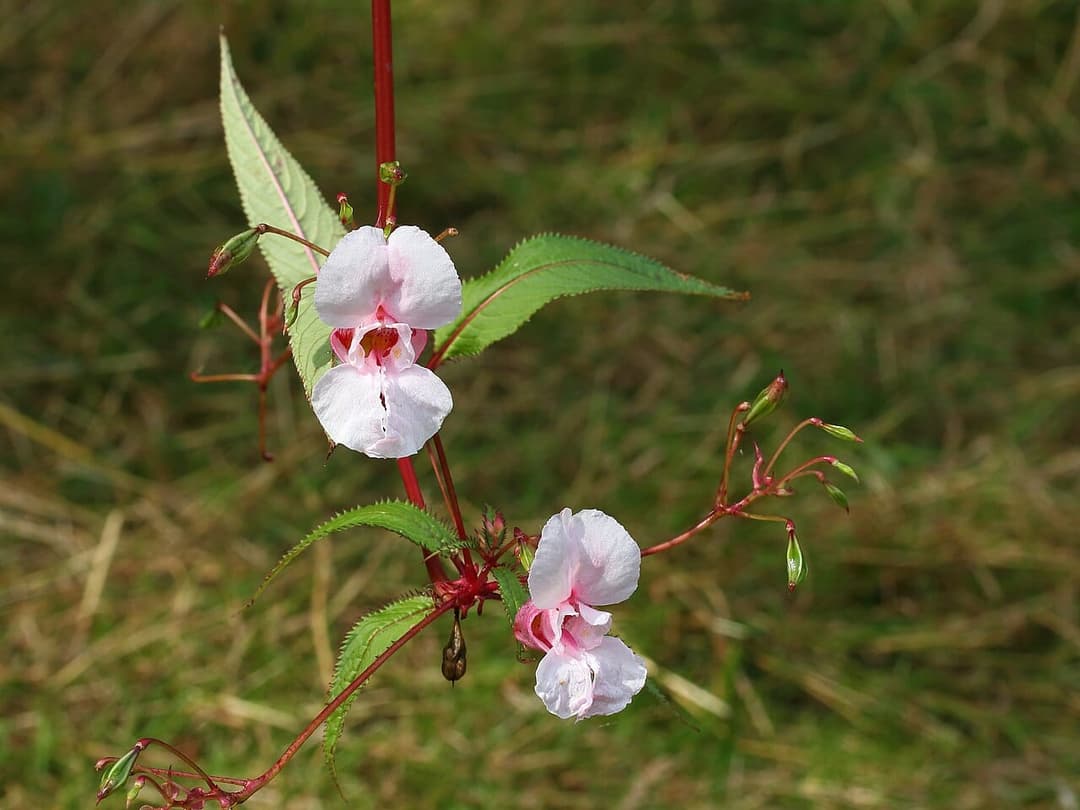
Impatience and irritation at how slowly everything and everyone moves
Loneliness
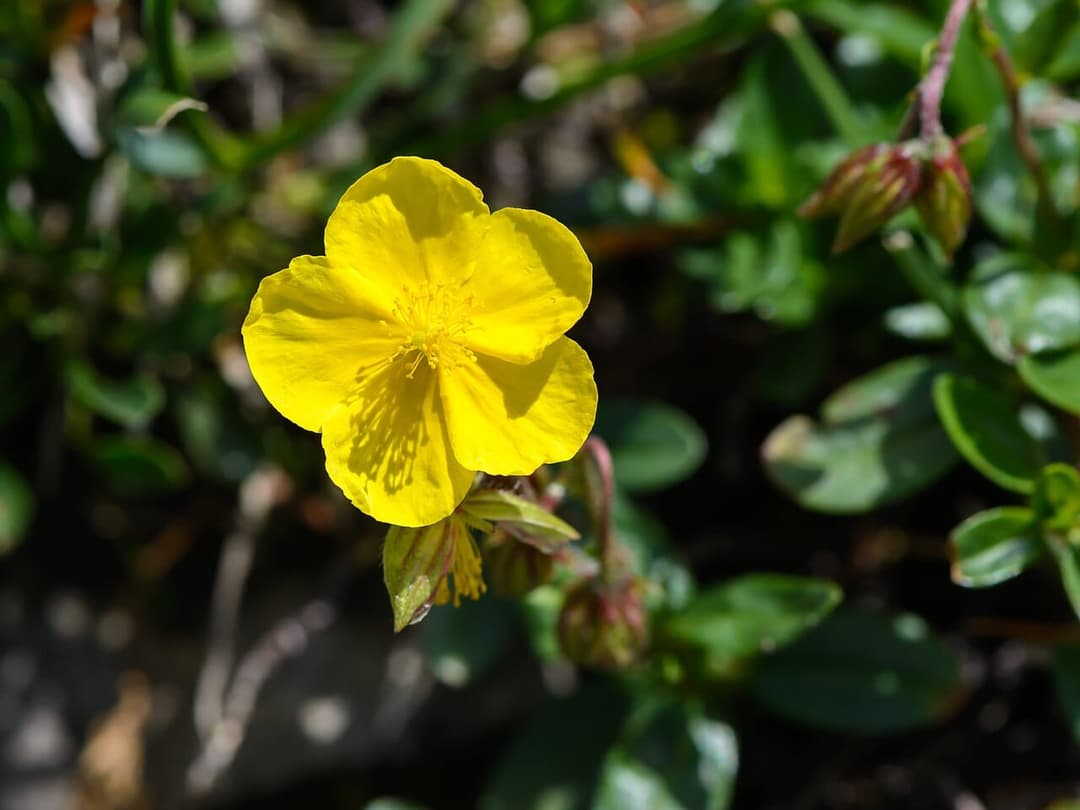
Terror and panic, when fear has gone past the point of ordinary nerves
Fear
Dr Edward Bach was a Harley Street bacteriologist who left his practice in 1930 to spend the last six years of his life working out this system. He finished it in 1936 and it has not changed since.
Each remedy is made by floating flowers in spring water in sunlight, or by boiling them, then preserving the water in brandy. What you buy is a small stock bottle that you dilute a few drops at a time.
Bach was insistent that the system should be simple enough to use without a practitioner. He kept it to thirty-eight, described each one in plain language, and expected people to choose for themselves by recognizing their own mood in a description. That is how this site is arranged, and it is a large part of why the remedies are still in steady use ninety years on.